The Enduring Charm of the Cottage Garden
A good cottage garden design will evoke an immediate sense of warmth, abundance and personality. Unlike more formal styles, where structure and symmetry dominate, the cottage garden celebrates planting in all its exuberance. Borders spill generously onto pathways, flowers mingle freely, and colour is layered with joyful confidence. The result is a garden that feels alive, intimate and deeply personal.
Traditionally associated with rural dwellings, the cottage garden style has evolved into one of the most loved forms of garden design. Its defining characteristic is abundance — a tapestry of herbaceous perennials, old-fashioned roses, self-seeding annuals, bulbs and shrubs woven together to create a rich and ever-changing display. Rather than rigid order, there is rhythm; rather than strict geometry, there is flow.
A Garden to Wander and Discover
As a cottage garden designer, Barry Holdsworth creates spaces that invite you to slow down, explore and lose yourself for a while. These gardens are not designed merely to be viewed from afar; they are meant to be experienced. Narrow paths meander between borders, revealing hidden corners and unexpected details. Small seating areas, arches or pergolas create moments of pause and reflection.
Cottage gardens often incorporate charming personal touches — carefully placed objects that add character and narrative. An old bicycle entwined with climbing roses, a vintage wheelbarrow overflowing with seasonal colour, weathered terracotta pots, or even a pair of well-worn boots planted with violas can become focal points of delight. Such features echo the creativity seen in intimate show gardens, yet feel entirely authentic within a cottage setting.
Planting-Led Design
Unlike more architectural garden styles, cottage gardens are fundamentally plant-driven. Structure exists — in the form of hedging, pathways or simple lawn areas — but it is secondary to the planting composition. The emphasis lies on texture, fragrance, seasonality and succession.
Classic cottage planting may include:
- Traditional shrub and climbing roses
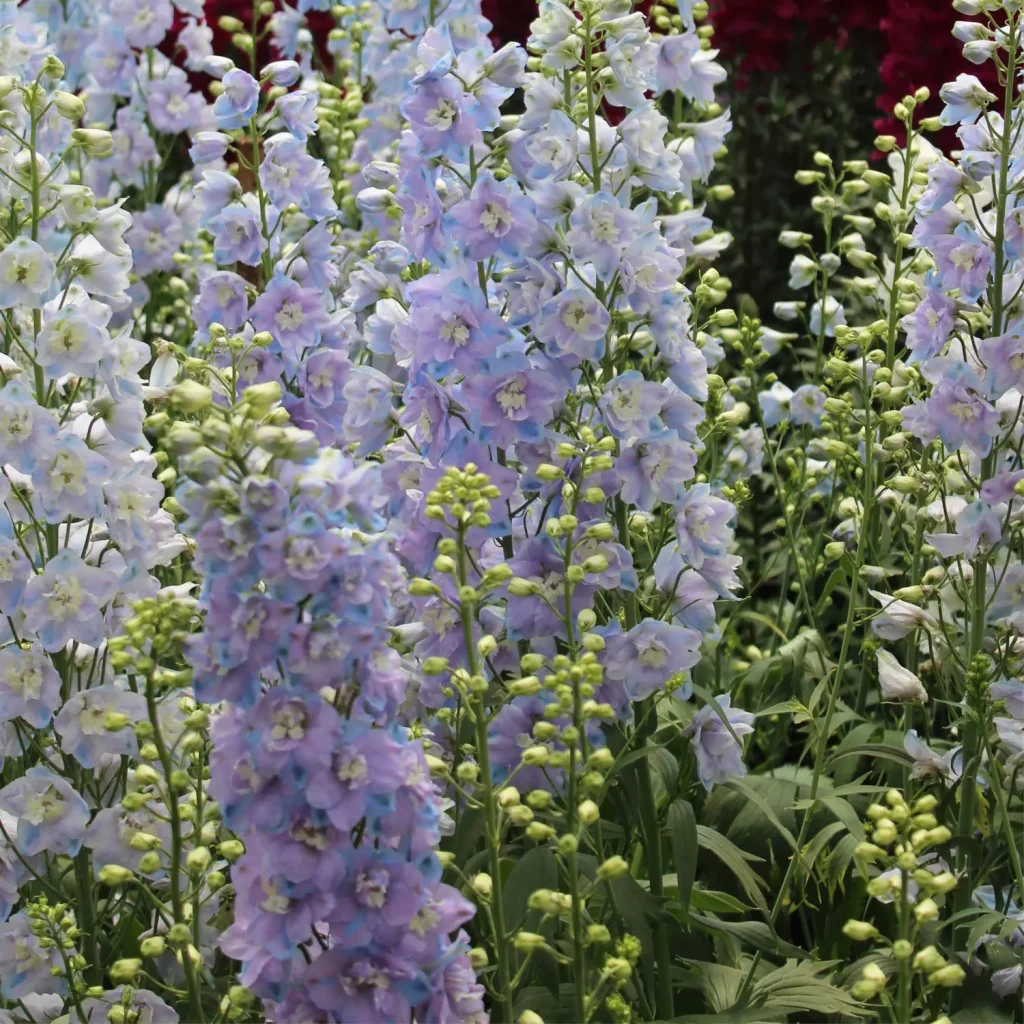
- Delphiniums, hollyhocks and foxgloves
- Lavender, catmint and hardy geraniums
- Spring bulbs naturalised through borders
- Fruit trees and edible plants woven into ornamental displays
The charm lies in their apparent informality, though achieving this effect requires careful planning. Height, flowering times, colour harmonies and maintenance needs must all be considered to ensure year-round interest and sustainability.
A Personal and Evolving Space
One of the great pleasures of a cottage garden is its flexibility. It becomes a canvas for personal discoveries — a treasured plant acquired on holiday, a cutting passed down through generations, or a found object repurposed with imagination. Cottage gardens evolve naturally over time, and there is freedom to experiment. Plants can be moved, combinations refined, and new additions introduced as inspiration strikes.
This sense of ownership and creativity is central to the style. A cottage garden should never feel static; it should reflect the personality and passions of its owner.
Creating Your Own Cottage Garden
Even the smallest space can be transformed into a richly layered retreat. With thoughtful planning, clever use of vertical planting, and careful selection of varieties suited to local conditions, a compact garden can feel immersive and abundant rather than crowded.
Barry works with clients to design cottage gardens that balance exuberance with practicality — ensuring that maintenance requirements are realistic while preserving the spontaneity and charm that define the style.
For those drawn to colour, texture and a sense of joyful informality, a cottage garden offers the perfect opportunity to create a space that feels both nostalgic and uniquely your own.